Requirements
In the chemical trading industry, shortages of raw materials can make it difficult for buyers to obtain what they need in time for production. Smaller buyers often struggle to purchase scarce materials, while sellers sometimes have excess stock they need to sell quickly at lower prices. To address these challenges, the Auction feature plays a key role on the B2B chemical trading platform.
A well-designed and easy-to-use auction feature is a key selling point for using CDS (Covestro Direct Store) as a digital sales channel. It offers a more efficient and transparent alternative to traditional offline trading or semi-digital methods that rely on manual communication and phone-based transactions.
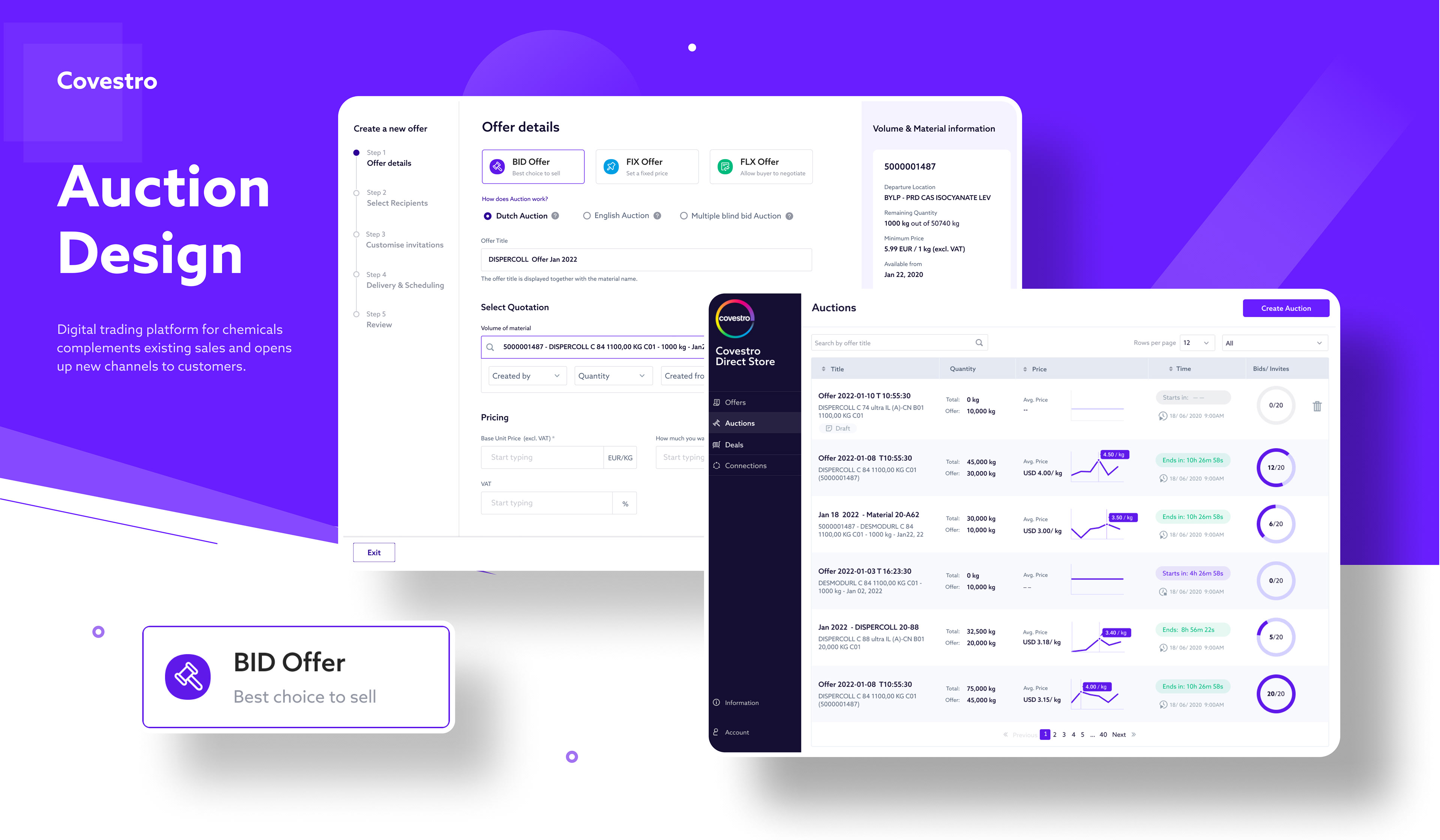
Goals
Goal 1: Implementing the Auction feature will at least double the number of deals and the Gross Merchandise Volume (GMV) generated through the platform.
Goal 2: Once the Auction feature is introduced, participants will seek additional auction formats to support different sales strategies and adapt to changing market conditions.
Auction User Research
User interviews
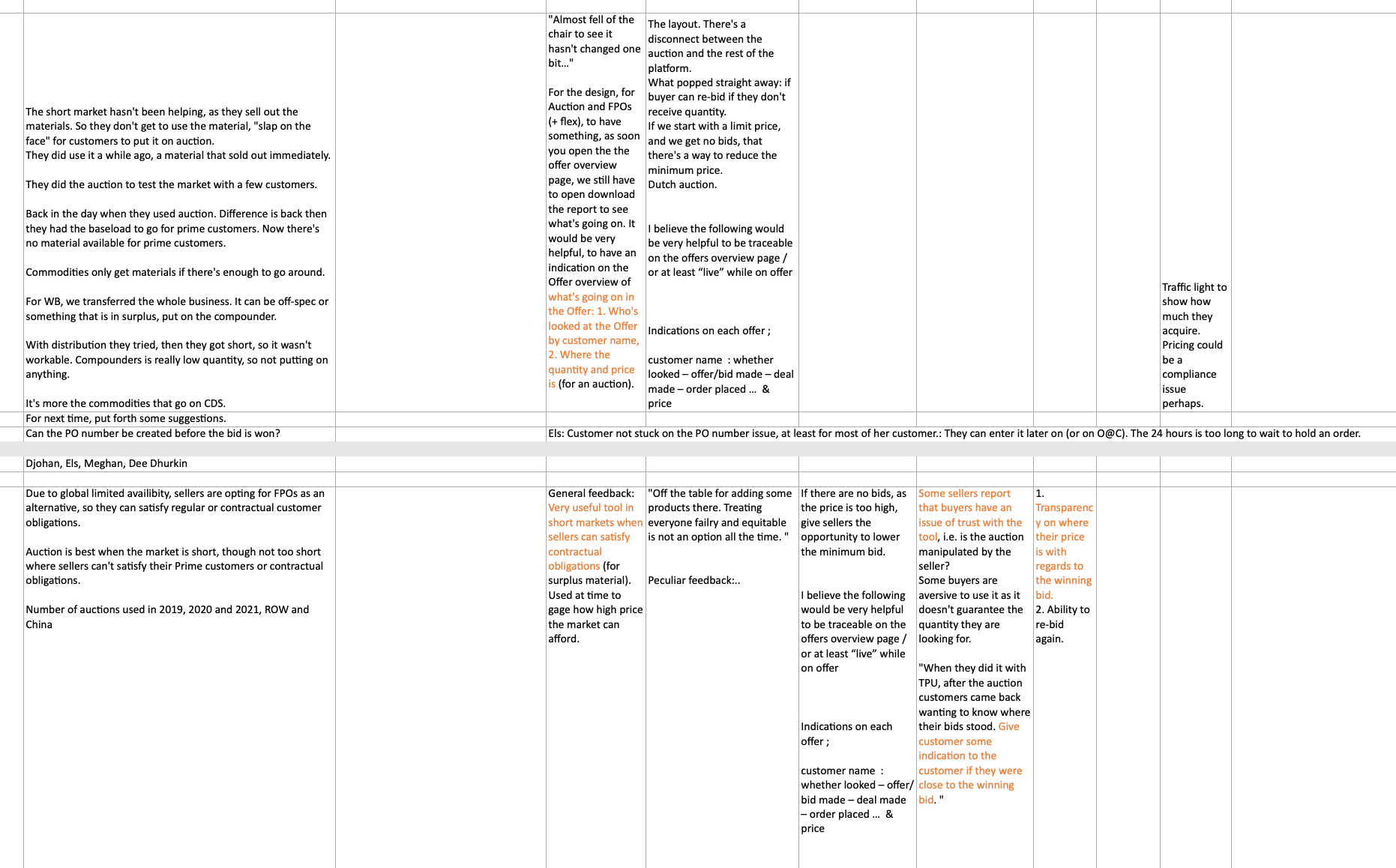
User feedback
- Dutch Auction
“If we start with a limit price, and we get no bids, that there's a way to reduce the minimum price.” - Els
- Offer overview improvements
“I believe the following would be very helpful to be traceable on the offers overview page / or at least “live” while on offer” - Els
- Negotiation?
“An auction where we can increase and decrease the price” - Monta
-Auction hybrid
“I use a manual auction, through the FPO. Through offering the material, then the highest price I give the quantity.” - Djohan
Things to consider through the interviews
Challenge: Building Trust in the Auction System
In some markets, buyers are skeptical about the fairness of the auction system and question its transparency.
“They complained a lot when they didn’t win... No trust in the system — they think it’s manually manipulated by sellers because the final price and winner are not announced to the other bidders.”— Jane
“I’m not sure if allowing buyers to resubmit bids would be appropriate. Customers might think Covestro is taking advantage of them.”— Djohan
Perception Among Relationship-Based Customers
Auctions are not always well received in markets where business relationships and trust play a key role.
“It’s not well perceived. It can seem like we’re trying to squeeze out the last penny — especially when the market is already skyrocketing. We need to be careful not to give the impression that the auction is only about getting the highest price.”— Monta
“The idea of an auction is uncommon for Chinese users. It feels risky to them. For PM materials, which are mostly commodity goods, stable supply is more important.”— Jane
Auction Mechanisms Research
First-price sealed-bid
This is essentially the current bidding mechanism on CDS, with a single bid per buyer and highest bid wins. Our setup differs from typical "first-price sealed-bid” in that partial bids are possible, with the highest bids that meet the available purchasable quantity winning simultaneously.
Dutch Auction
A descending price auction mechanism in which seller progressively lowers price until one buyer's bid is successful. Useful for selling out material quickly and/or a long market.
Variations of this are the Multiunit auction where the bid is on a unit (eg: kg) and not the total amount.
Variations of this are the Multiunit auction where the bid is on a unit (eg: kg) and not the total amount.
English Auction
The most common type of Auction where multiple bids are possible; bids are transparent and the highest bid takes the pot.
Presenting the auction Mechanisms to clients to gather feedback for a suitable methods for CDS

Optimize Auction Mechanism
We needed to determine which auction model would best fit our platform. For sellers, an English auction allows excess materials to be sold quickly and often at higher prices. However, when buyers can see others’ bids, it can lead to perceptions of unfair competition.
To balance transparency and fairness, we optimized the bidding process by combining the English auction’s price-increase method with the first-price sealed-bid approach. In this model, each buyer submits a single bid without knowing others’ offers, and results are revealed only after the auction ends.
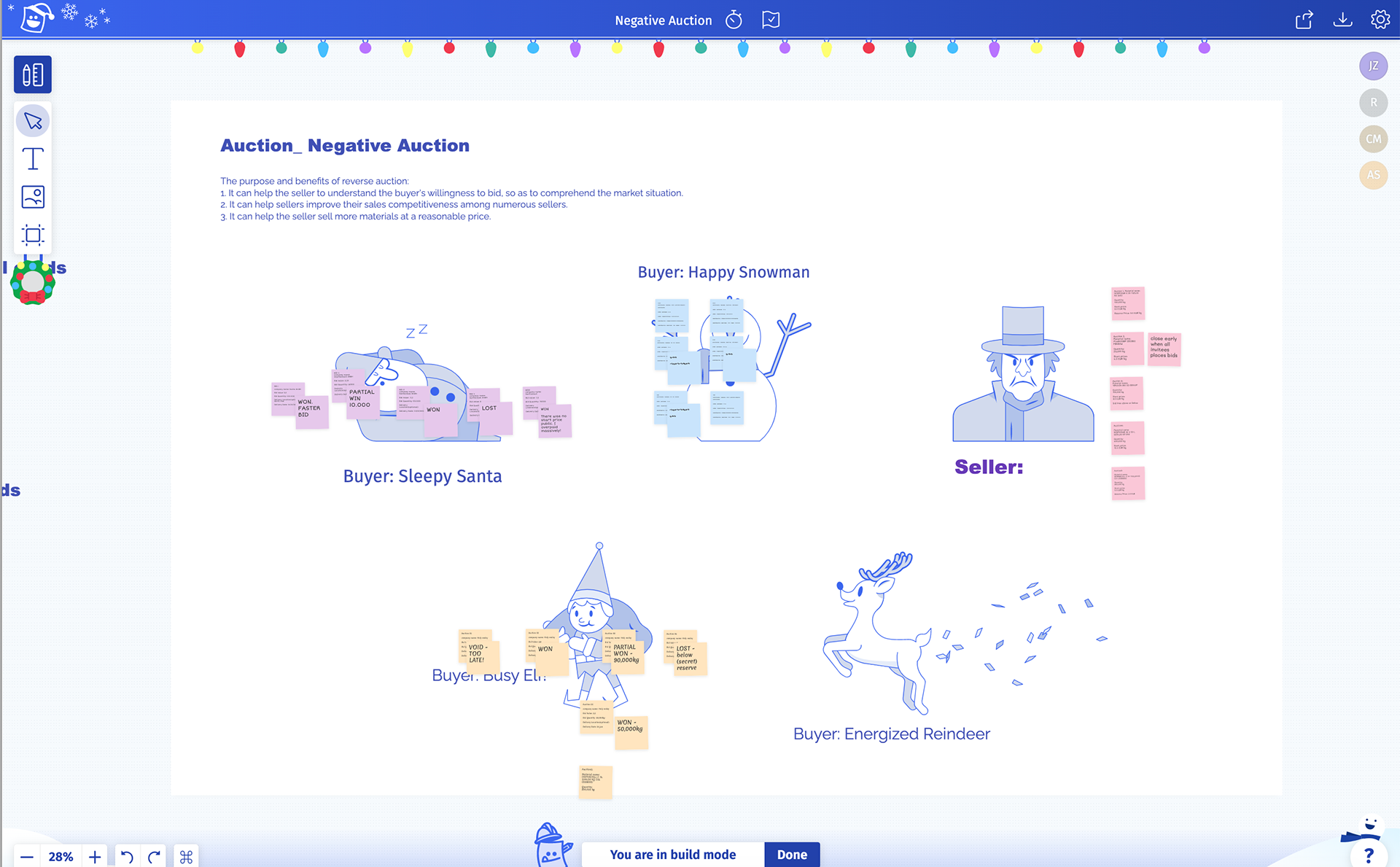
To validate the feasibility of this mechanism, we conducted a workshop to simulate the bidding process and observe user behavior.
Auction Workshop
We simulated the online bidding process in an offline setting. A seller prepared the list of materials and inventory in advance, while an auctioneer (representing our platform) announced the start of the auction. The buyers then submitted their bids and price offers directly to the auctioneer.
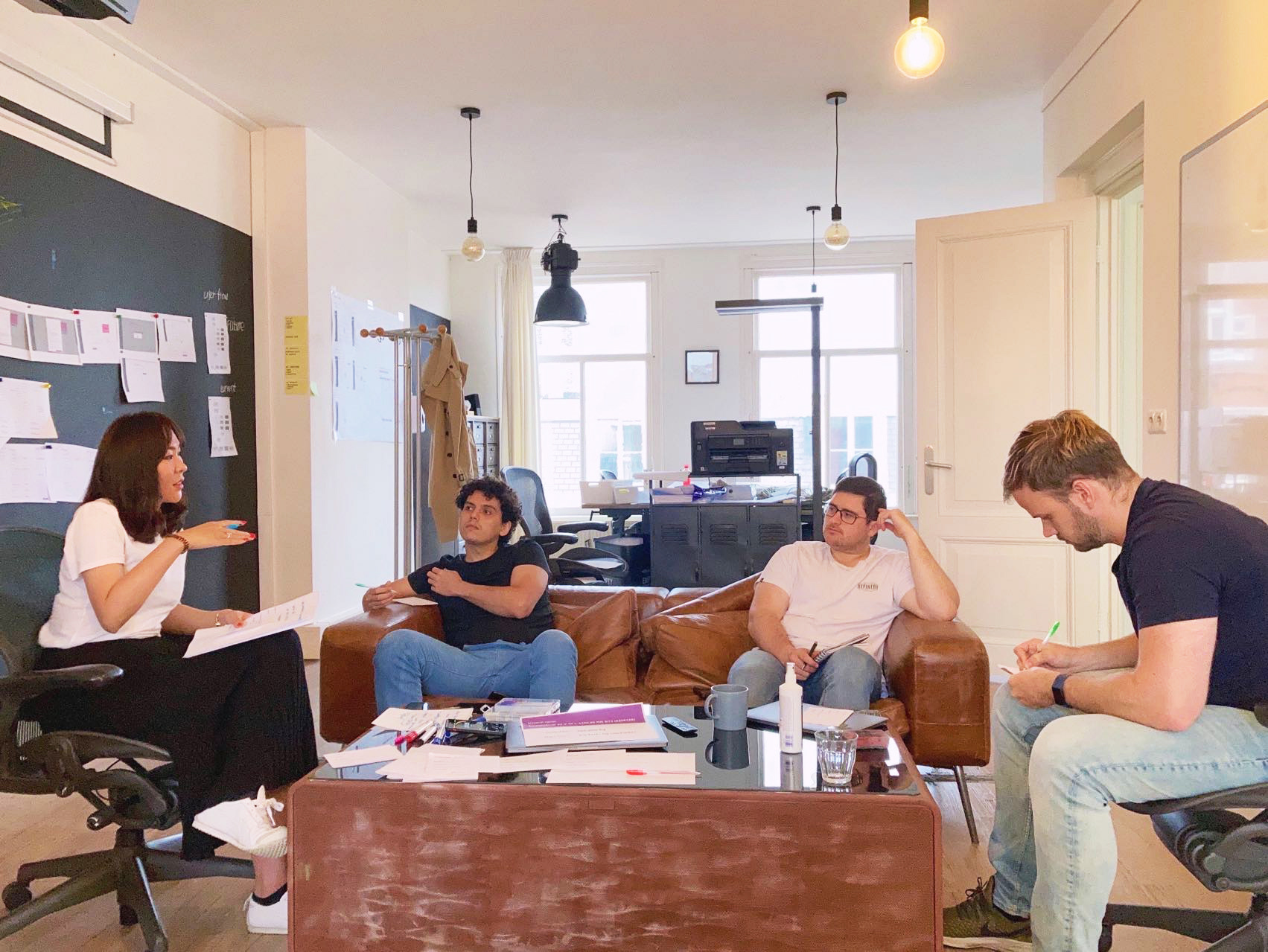
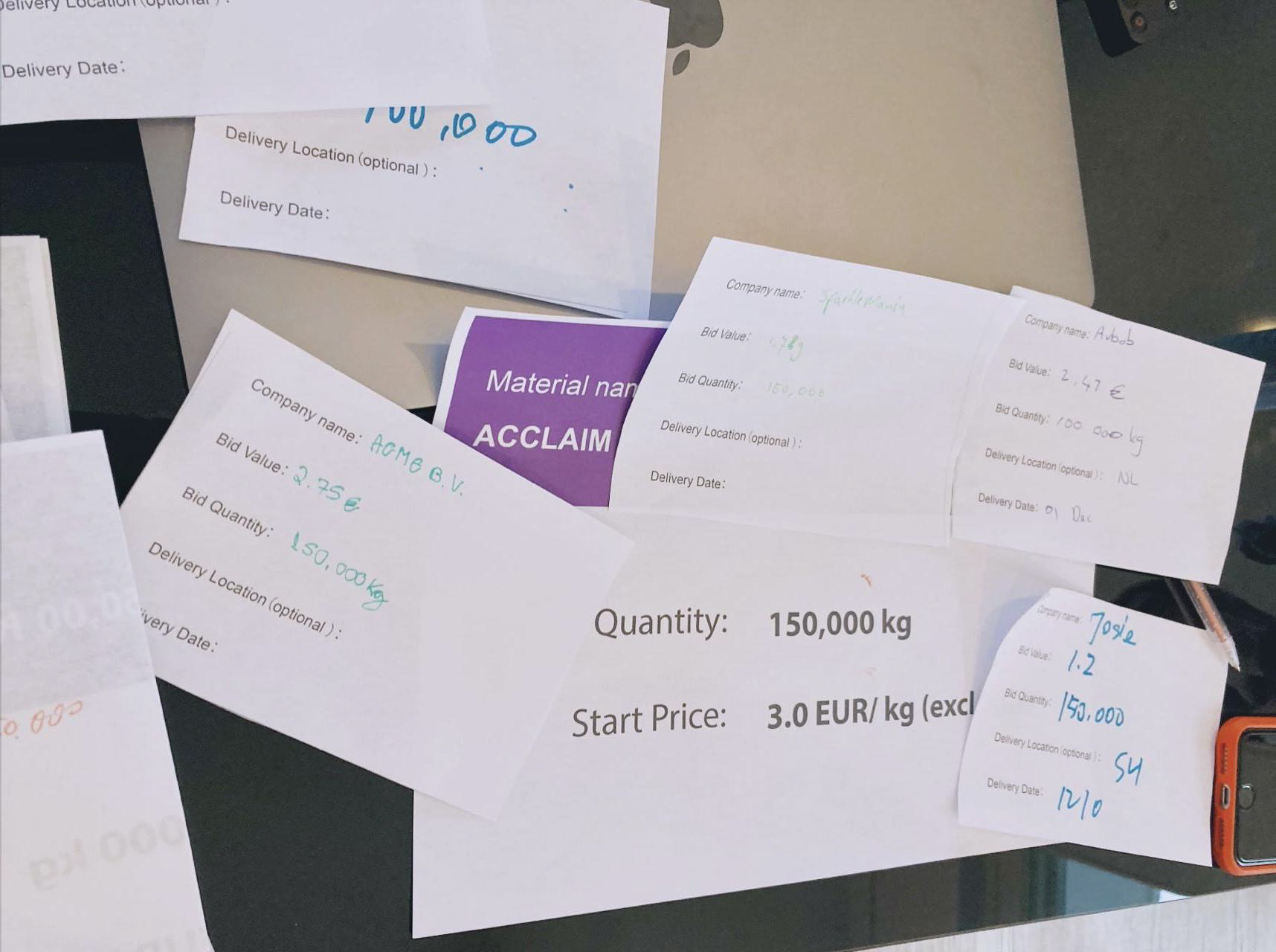
The highest bidder wins at the end of the auction. If two or more bids are identical, the winner is determined by the time and order in which the bids were placed.
The simulation workshop allowed us to validate the auction logic, uncover user behaviors and expectations, align cross-functional teams on the design approach, identify potential issues early, and build confidence in the solution before technical implementation.
Conducting a second online workshop to explore the Negative Auction mechanism helped us validate the concept, gather user feedback on potential challenges, test different bidding behaviors in a controlled environment, align stakeholders on the approach.
Define User Journey for Buyers and Sellers
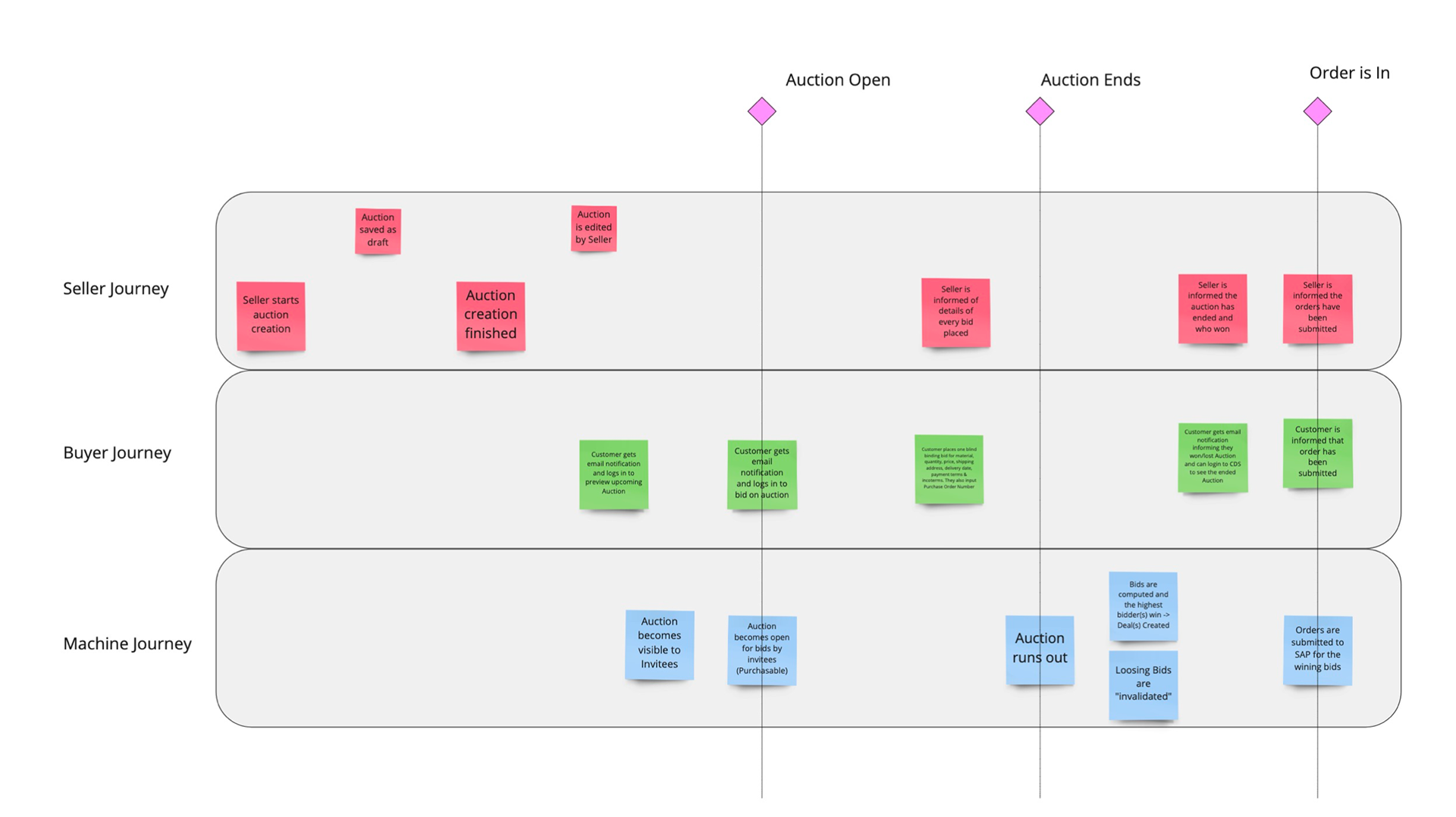
The auction simulation exercise in the workshop helped us refine the bidding process for both buyers and sellers. We then analyzed online user data collected by the marketing team, along with insights from user interviews, to develop the first iteration of the user journey.

Final Auction Mechanism

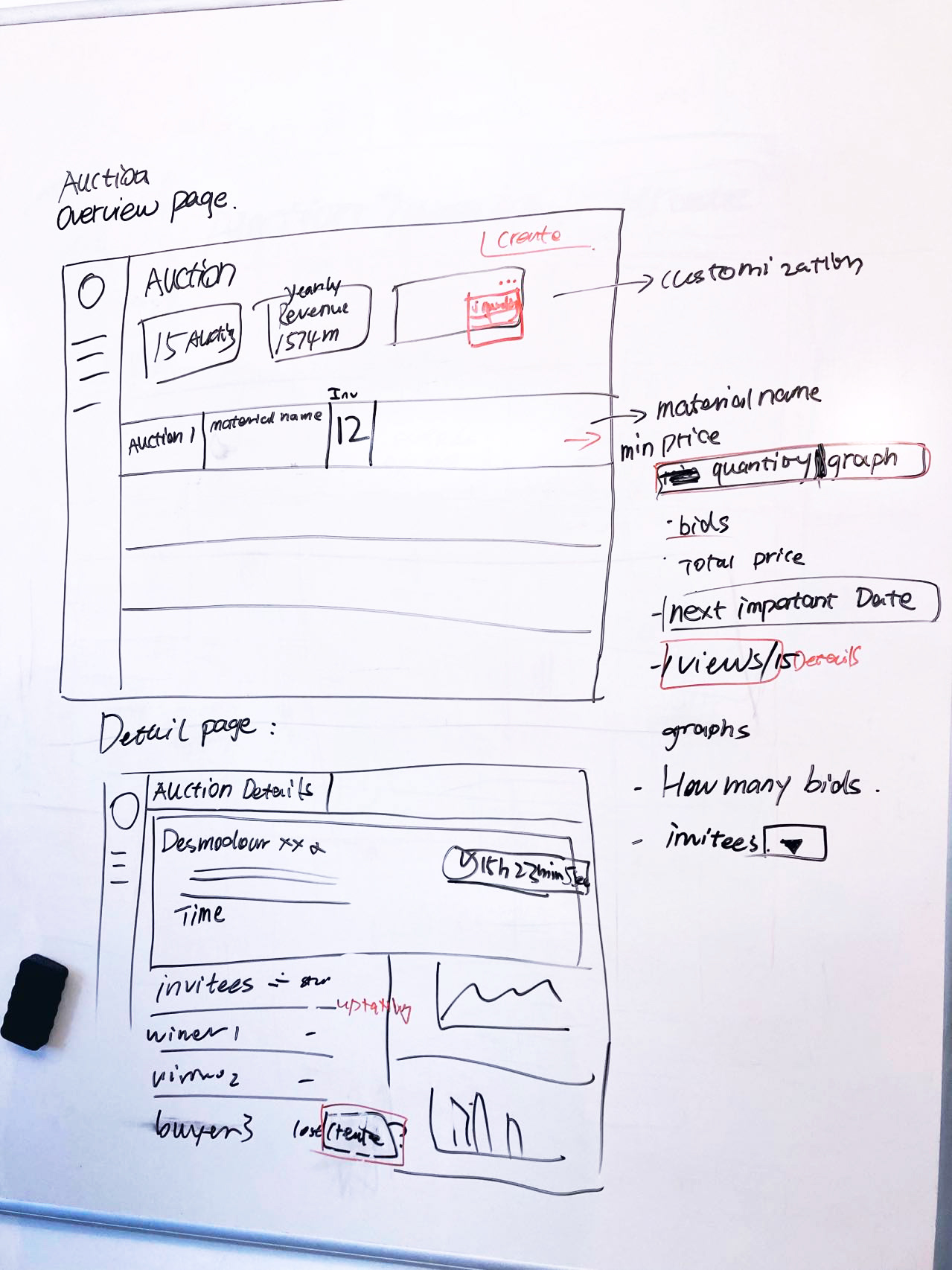
Brainstorm & Ideation
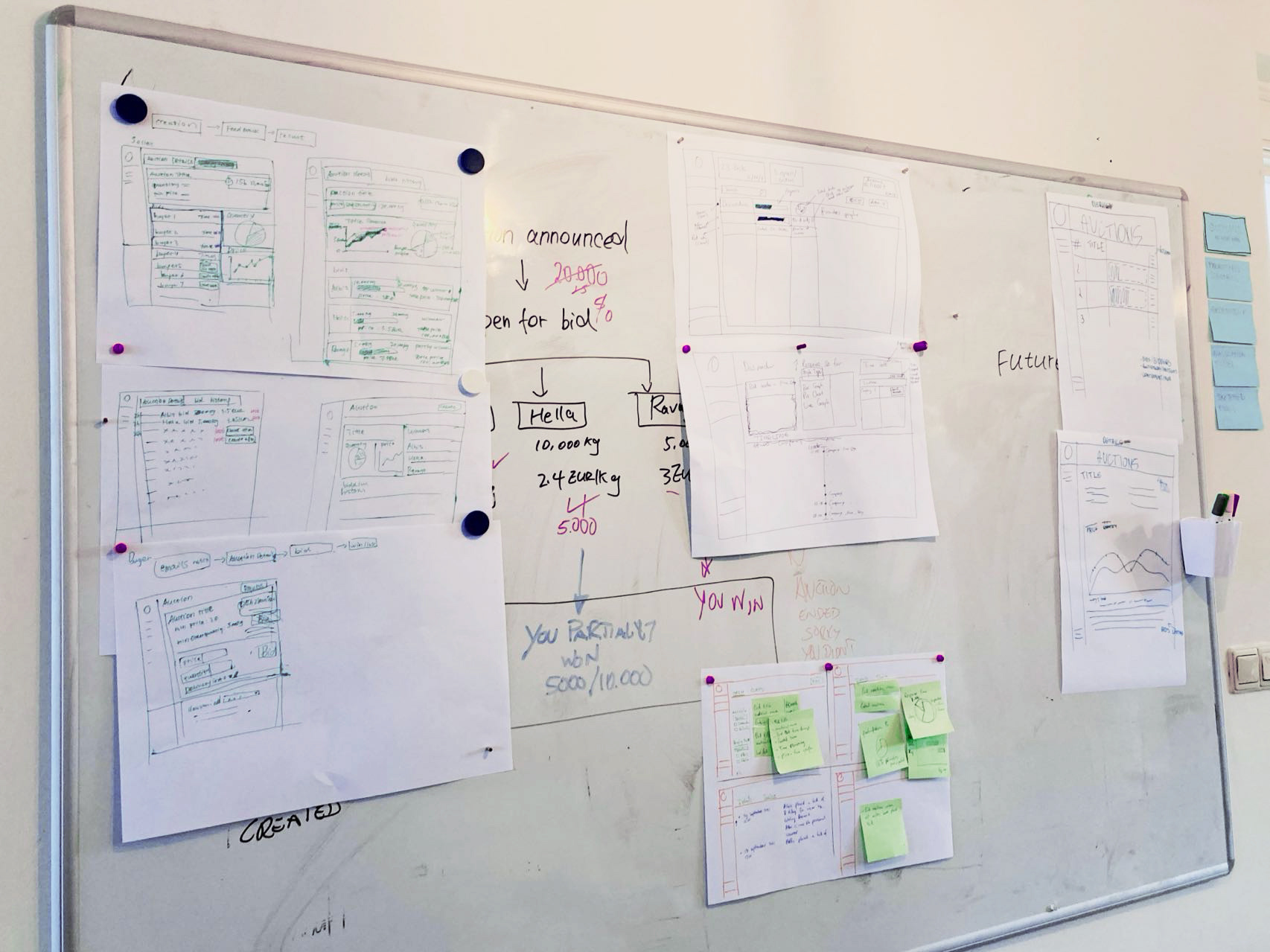
During the Brainstorm & Ideation phase, we generated a wide range of concepts through low-fidelity sketches and prototypes, allowing us to quickly explore different approaches. Ideas were shared, discussed, and refined collaboratively, with team voting and prioritization helping to highlight the most promising directions. This process encouraged creative solutions, surfaced diverse perspectives, and informed the development of the high-fidelity designs that followed.
UI Design
Seller Auction Offer Creation Flow
Create an Auction Invitation offer for buyers


With the Offer Creation Flow, sellers can easily customize Customer Connections within the platform and select multiple Invitees to send an Auction offer to.

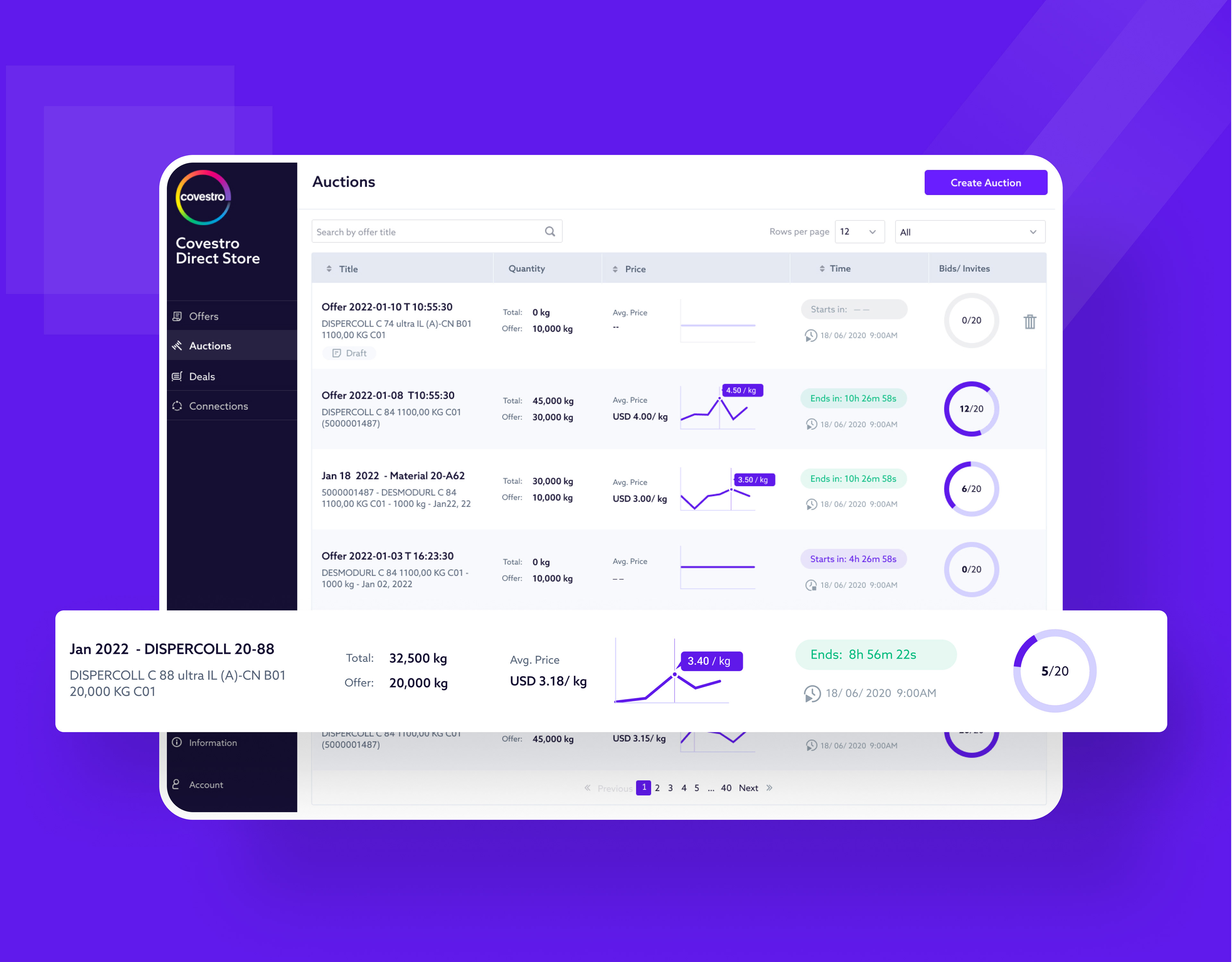
Seller Auction Offer Overview & Detail Page
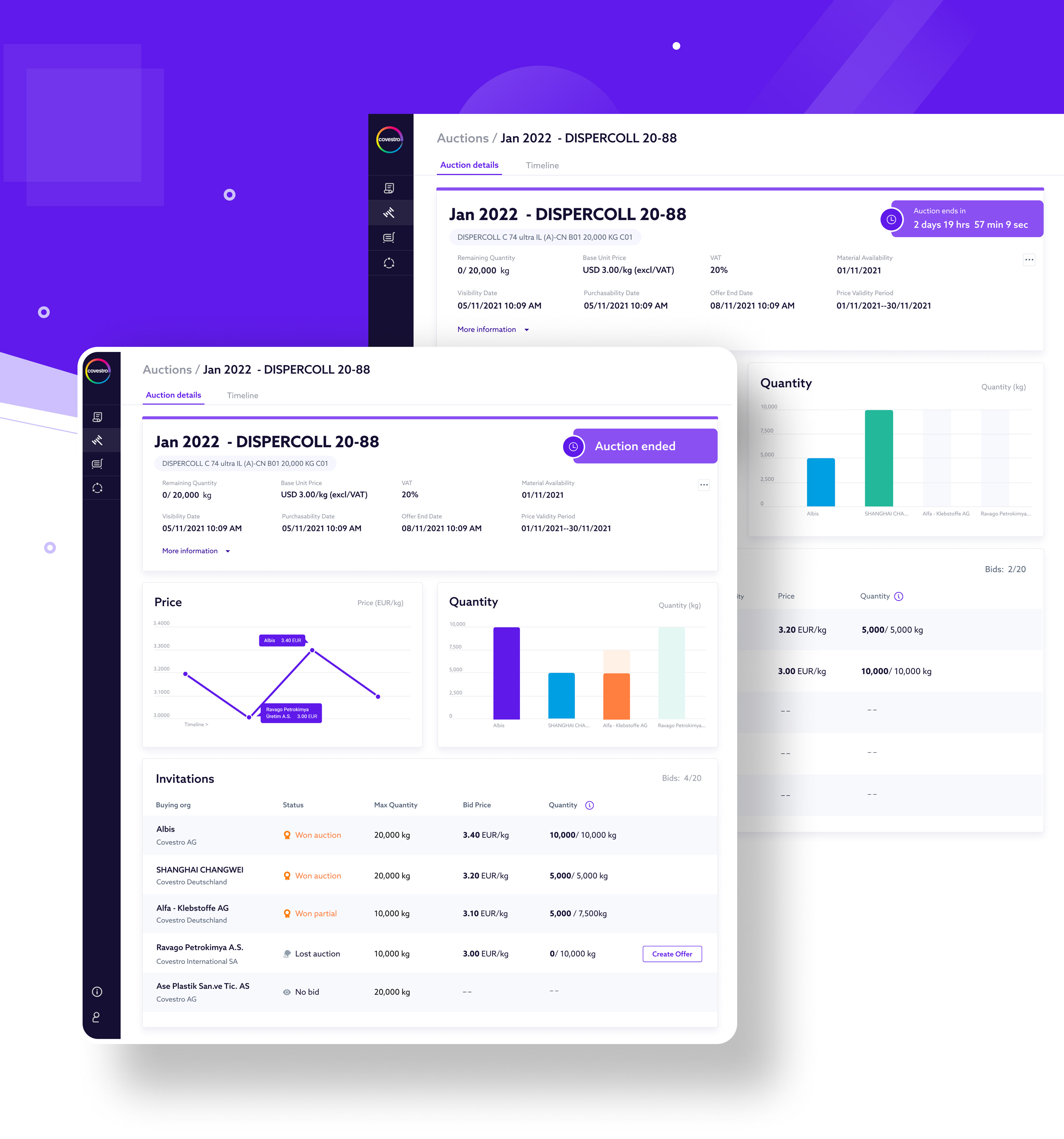
First-Price Blind Bid Auction Mechanism in Use
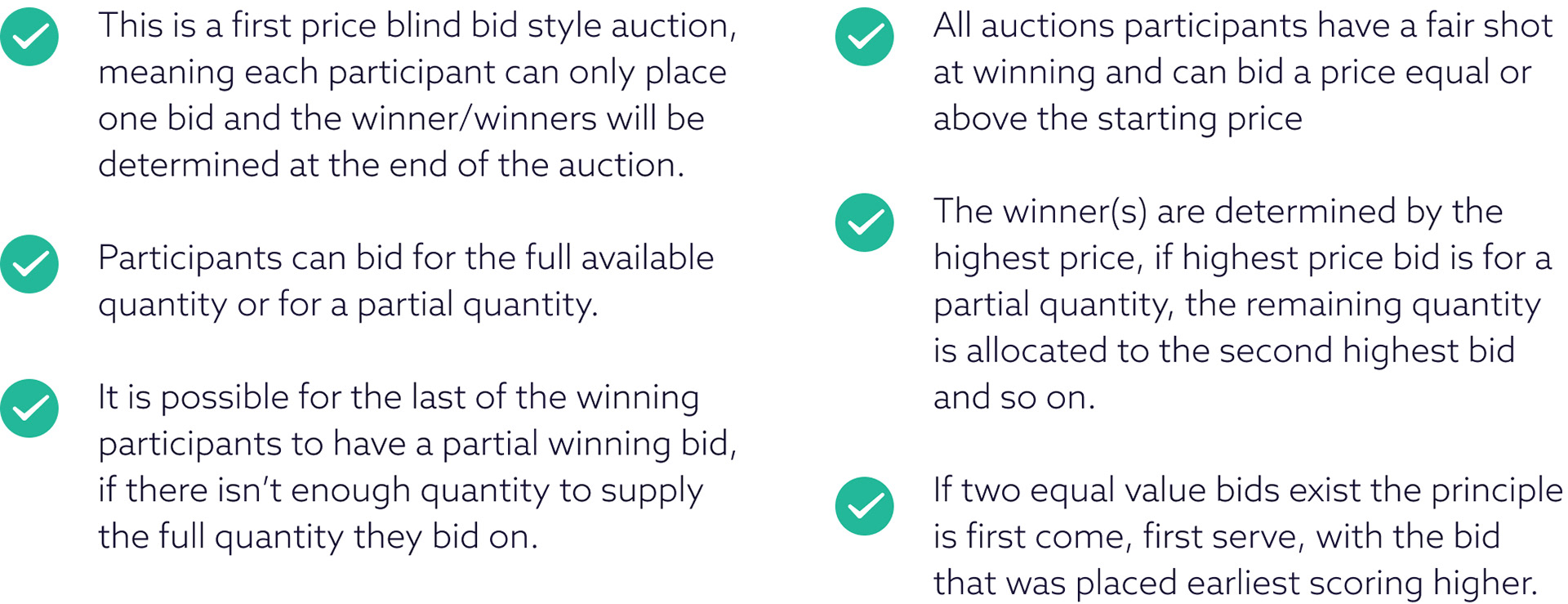
Winners are determined by the highest bid. If the highest bid only covers a partial quantity, the remaining quantity is allocated to the next highest bid. In the case of identical bids, priority is given to the bid submitted earliest, following a first-come, first-served principle.
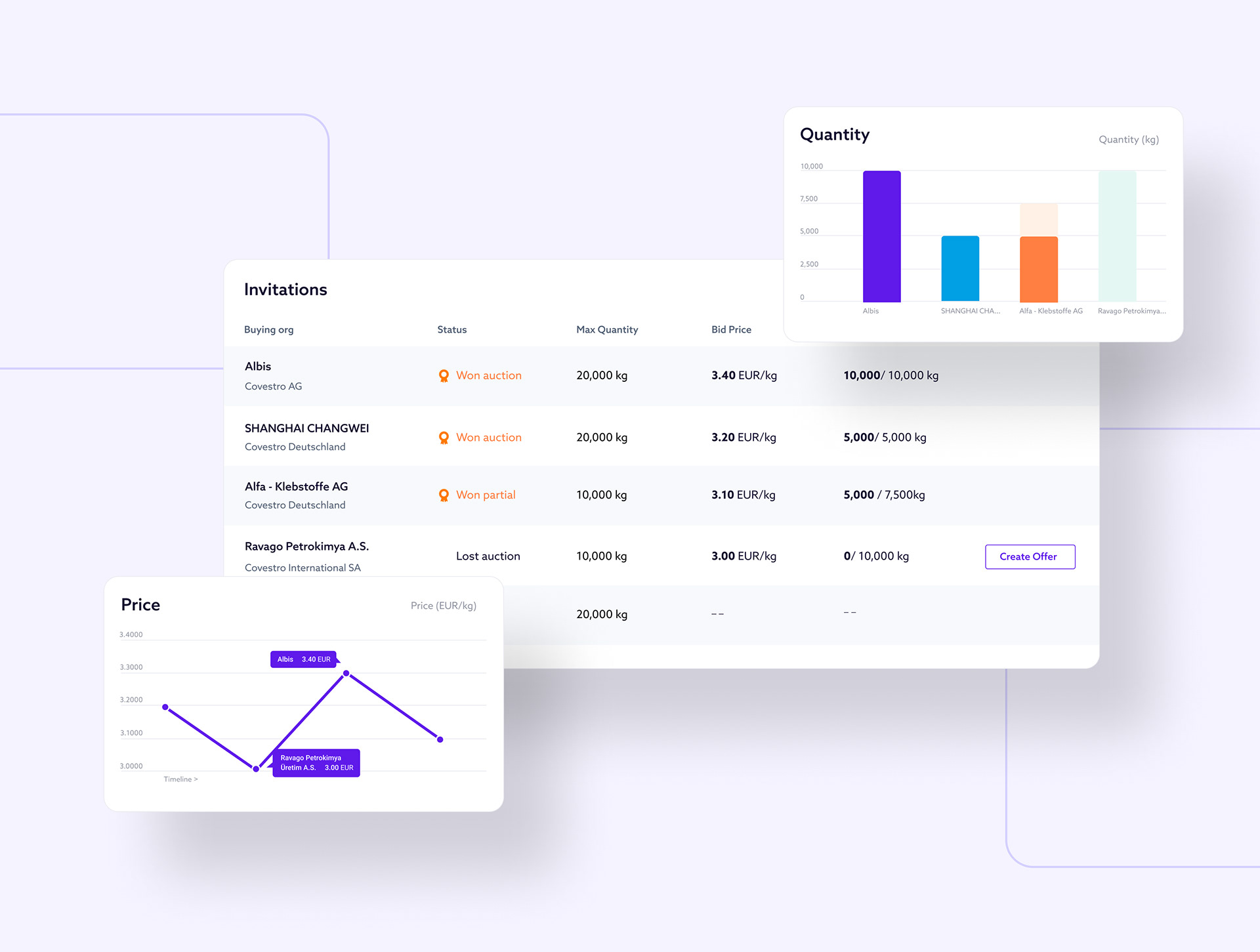
Buyer Auction Overview

Prototype Test


Example of prototype test user feedback
Usability Test
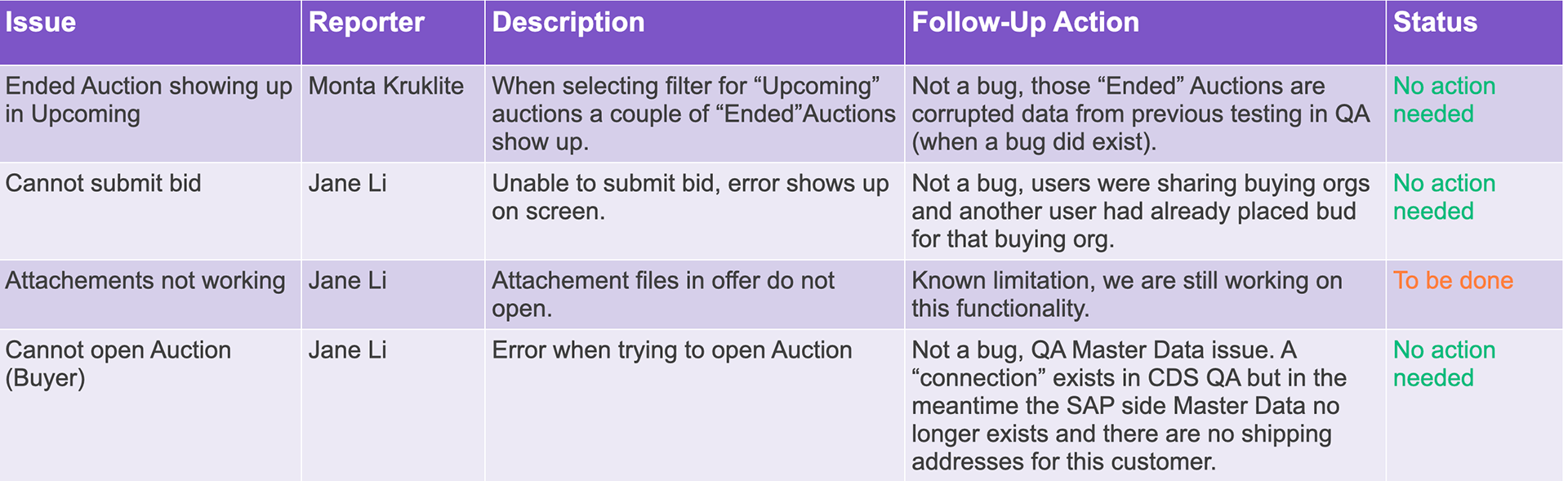
We conducted design validations with internal teams and prototype tests with customers. Afterward, we launched the product and held two usability test sessions to ensure alignment among all business stakeholders regarding the new key functionality. A total of 20 participants took part, resulting in 40 successful test passes and 9 test failures.

Online testing submission form

In Usability Test process

An example of testing tasks
User Tasks Examples
Seller:
1s - CDS Seller - Create BID Offer with “regular” quotation and no Preview period.
2s - CDS Seller - Create BID Offer with “regular” quotation and Preview period.
3s - CDS Seller - Create BID Offer with “regular” quotation with Multiple Delivery but No Delivery Date Selection. ...
Buyer:
1b - CDS Buyer – Login and check Auction Preview.
2b - CDS Buyer – Take part in Auction by placing a Bid.
3b- CDS Buyer – Login and check Auction after it has ended. ...
User Test Result & Further Iterations
From the usability tests, we identified key pain points for both sellers and buyers. Buyers experienced difficulties such as winning quantities being too small to order, being unable to place a bid when opening the invitation from email, and failing to submit bids. Sellers also encountered challenges when managing multiple delivery options and preview periods. These insights informed our design iteration, leading us to simplify bid submission workflows, improve handling of small quantities, ensure seamless email interactions, and clarify delivery and preview settings, resulting in a more reliable and intuitive auction experience.


The project is ongoing, with continuous iterations and optimizations planned based on user feedback and market needs.